Newport Wetlands is one of the most significant RSPB nature reserves in Wales, covering over 1,000 acres of reedbeds, lagoons, and grassland on the Severn Estuary. Visitors come for birdwatching - particularly bitterns, bearded tits, and overwintering waders - as well as walking the coastal trails along the Gwent Levels. The hotels covered in this guide are located within the Newport (South Wales) area, offering practical bases for exploring the reserve and the wider region, including Cardiff, the Brecon Beacons, and the Wye Valley.
What It's Like Staying Near Newport Wetlands
Newport Wetlands sits on the southern edge of Newport city, bordered by the Severn Estuary to the south and the M4 corridor to the north. Hotels in this area tend to be roadside or suburban properties - practical and well-connected rather than characterful, reflecting Newport's post-industrial urban fabric. The reserve itself has no hotel accommodation on-site, so all stays involve a short drive of around 10 minutes from the nearest city-centre hotels to the RSPB visitor centre on West Nash Road. Public transport links to the wetlands are limited, making access by car the realistic default for most visitors.
Pros:
- Strong road connectivity via the M4 puts Cardiff, Bristol, and the Brecon Beacons all within 30-45 minutes
- Hotels in the Newport area tend to offer free parking, a genuine practical advantage over Cardiff city-centre alternatives
- Lower nightly rates than equivalent hotels in central Cardiff, typically saving around 25% on comparable room types
Cons:
- No walkable hotel options directly adjacent to the wetlands reserve entrance
- Newport city centre has limited evening dining options compared to Cardiff or Bristol
- The industrial and retail character of the M4 corridor means the immediate surroundings lack scenic appeal
Why Choose a Hotel Near Newport Wetlands
Hotels near Newport Wetlands serve a specific practical purpose: they give birdwatchers, walkers, and nature reserve visitors a convenient base without paying Cardiff city-centre premiums. The properties in this area are predominantly mid-range chain hotels and independently owned inns, with nightly rates that regularly come in under £100 for a double room outside peak season. Free parking is almost universal across Newport-area hotels, which removes a significant cost and logistical friction for visitors arriving by car with binoculars, walking boots, and outdoor kit. Room sizes at these properties tend to be generous by UK standards, a function of lower land costs compared to central Cardiff or Bristol.
Main advantages of this hotel category here:
- Consistent free parking across the selection - essential for wetlands visits requiring early-morning car access
- Cooked breakfast options available at most properties, useful for long days on the reserve starting at dawn
- Good motorway access makes multi-destination itineraries combining Cardiff, the Wye Valley, and the Brecon Beacons straightforward
Main trade-offs in this specific zone:
- No boutique or luxury options within close proximity to the wetlands - the offer is functional rather than atmospheric
- Evening atmosphere around motorway-adjacent hotels is limited, with most dining options being chain restaurants
- Some properties sit closer to Bristol than to the wetlands, requiring a 20-minute drive east to reach the reserve
Practical Booking & Area Strategy
The RSPB Newport Wetlands visitor centre is located on West Nash Road, near Nash village, south of Newport city centre. Hotels positioned in Newport city itself - near the train station on Queensway or along the A48 corridor - provide the most balanced base, placing guests within around 15 minutes of the reserve by car while keeping Cardiff, the Roman town of Caerleon, and Transporter Bridge all accessible without doubling back. Caerleon, just 4 miles northeast of Newport, is a particularly strong positioning choice for visitors combining wetlands access with Roman heritage sites, as it avoids city-centre congestion entirely. For M4-corridor hotels near Magor (junction 23A), the drive to the wetlands adds roughly 10 extra minutes compared to Newport-based options, but these properties consistently offer lower rates and better parking infrastructure.
Newport Wetlands is at its busiest between October and March, when overwintering bird species peak and organised RSPB guided walks operate. Booking at least 3 weeks ahead for autumn and winter weekends is advisable, as birdwatching groups frequently block-book local accommodation. The Gwent Levels circular walk (around 7 miles) and the coastal path towards Cardiff Bay are both accessible from the reserve, extending the activity options for a two-night stay.
Best Value Stays
These properties offer the most accessible pricing in the Newport area, with free parking and practical amenities suited to early-start wetlands visits.
-
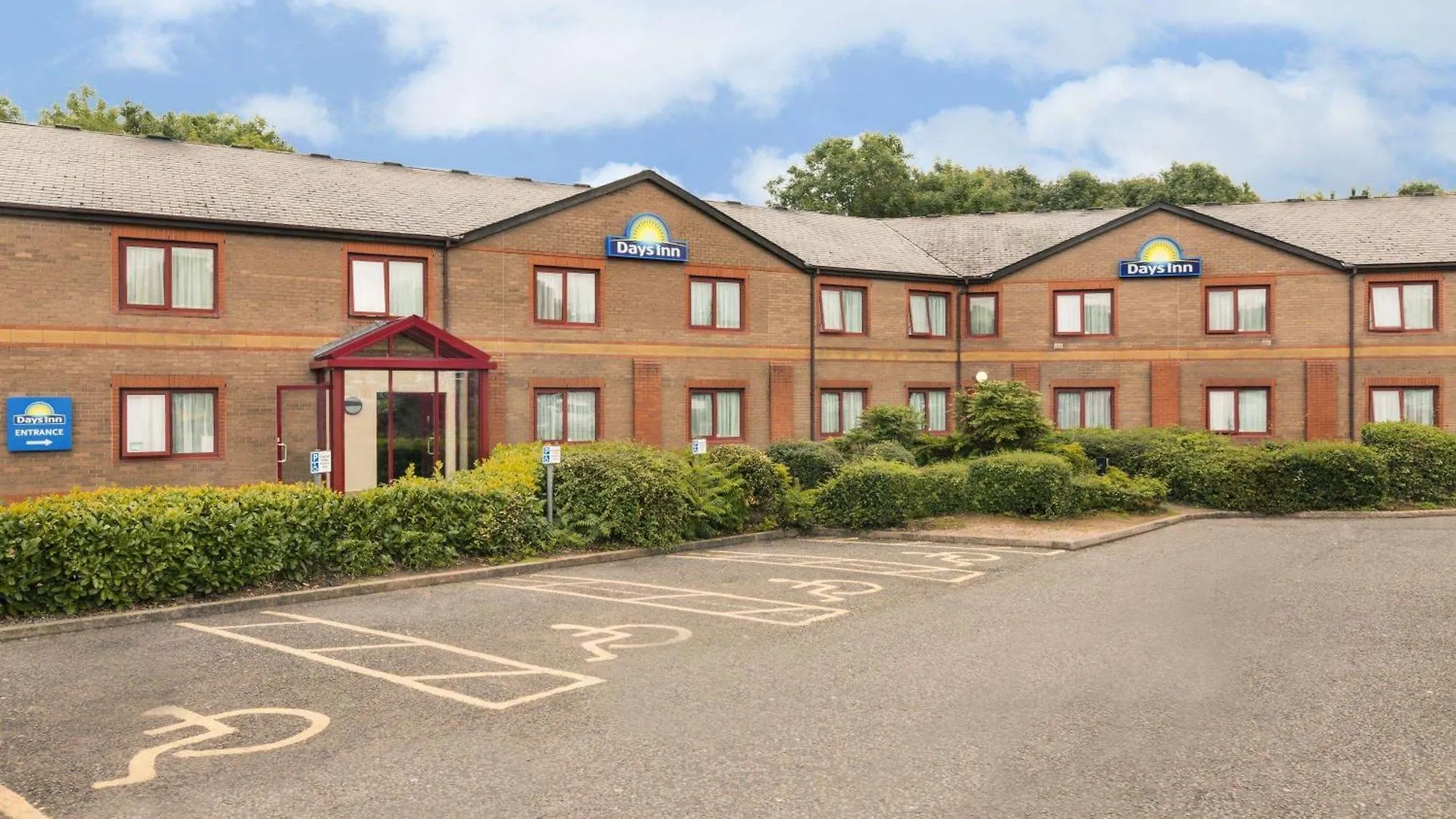
1. Days Inn by Wyndham Magor
Show on map


 Check-infrom 15:00 until 23:59Check-outuntil 11:00
Just a few rooms left at the best rate!
from£ 39
-
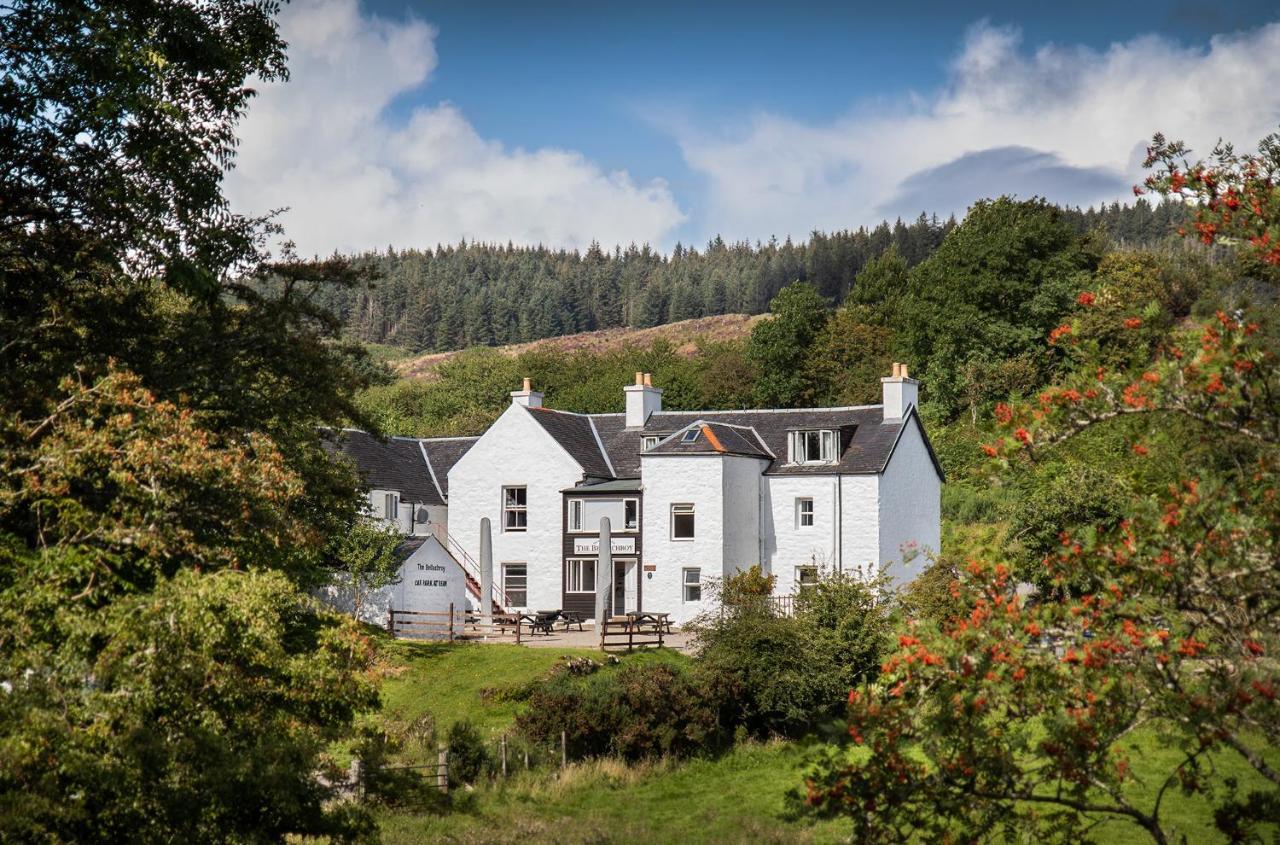
2. Ty Magor
Show on map


 Check-infrom 16:00 until 23:59Check-outuntil 11:00
Just a few rooms left at the best rate!
from£ 45
Best Premium Stays
These properties offer more distinctive experiences - a 4-star city hotel with full facilities, and a historic inn in Caerleon with genuine character - at prices that still sit well below Cardiff city-centre equivalents.
-
3. Mercure Newport
Show on map


 Check-infrom 15:00 until 23:59Check-outuntil 11:00
Hurry – almost gone at this price!
from£ 67
-
4. The Priory Hotel
Show on map


 Check-infrom 15:00 until 23:30Check-outfrom 07:00 until 11:00
Rooms filling fast – secure the best rate!
from£ 113
Smart Travel & Timing Advice
Newport Wetlands reaches peak visitor numbers between October and February, when bitterns, marsh harriers, and large flocks of waders and wildfowl are most reliably present. RSPB guided events during this period book out weeks in advance, and nearby hotels - particularly in Newport city and Caerleon - fill on weekends as a result. Booking accommodation at least 4 weeks ahead for autumn and winter weekend stays is a realistic minimum. Spring (March to May) offers a quieter alternative, with breeding reed and sedge warblers arriving and visitor numbers lower than the winter peak, while hotel rates also soften noticeably. Summer is the least productive season for birdwatching at the reserve, and hotel rates around Newport reflect this with more last-minute availability.
A two-night stay is the practical minimum for combining a proper wetlands visit with day trips to Cardiff, Caerleon's Roman amphitheatre, or the Brecon Beacons. Midweek stays consistently offer better rates than weekends at all four properties in this guide, with savings of around 20% common outside school holiday periods. Early check-in requests are worth flagging at booking stage for guests planning dawn starts at the reserve.