What It's Like Staying in Derbyshire
Derbyshire is best known for the Peak District National Park, Chatsworth House, and Alton Towers - attractions that draw visitors year-round and shape the entire hospitality landscape of the county. Most key sights sit within 45 minutes' drive of one another, meaning your hotel's location matters less than in sprawling urban destinations. Road transport is the dominant mode of travel; rail connections exist via Derby city and a handful of market towns, but rural areas rely almost entirely on car hire or private transport.
Visitor pressure concentrates in summer weekends and UK school holidays, when Peak District car parks fill before 10am and accommodation books out weeks in advance. Midweek stays - especially in shoulder season - offer notably quieter roads and more availability. Derby city itself sees steady business travel throughout the year, keeping urban hotel rates relatively stable rather than purely seasonal.
Pros:
- Exceptional variety of landscapes and attractions within a compact geographic area
- Significantly lower hotel rates compared to equivalent 4-star stays in Manchester or London
- Strong road network makes multi-destination day trips highly practical
Cons:
- Public transport between rural villages and key attractions is limited or infrequent
- Peak weekend demand in summer can make last-minute booking difficult in smaller towns
- Some rural hotel locations require a car for any evening dining or activity beyond the property
Why Choose 4-Star Hotels in Derbyshire
Choosing a 4-star hotel in Derbyshire gives you a meaningful step up in room quality and on-site facilities - think en-suite bathrooms, quality bedding, breakfast included, and on-site bars or restaurants - without the premium pricing that 4-star labels carry in larger UK cities. In Derby city, a 4-star room averages around £100 per night, while a comparable grade in central Manchester or Birmingham often runs considerably higher. In rural Derbyshire, 4-star bed and breakfasts and country inns offer similar quality standards with the added advantage of a more personal, character-driven experience.
Room sizes in Derbyshire's 4-star tier tend to be more generous than urban equivalents, particularly in converted properties or historic buildings. Breakfast is almost universally included or strongly featured at this grade in the county, which adds genuine practical value. The trade-off in rural properties is fewer evening entertainment options and more dependence on car access, while city-centre 4-star hotels may sit on busier roads - though noise insulation at this grade is generally adequate.
Pros:
- Full English breakfast typically included, reducing daily travel costs
- More spacious rooms than equivalent grades in major UK cities
- On-site bars and restaurants mean you don't always need to drive for evening meals
Cons:
- Rural 4-star properties can feel isolated without a car for evening activities
- Fewer fitness or spa facilities compared to 4-star city hotels in larger urban centres
- Parking charges apply at some city-centre properties, adding to the nightly cost
Practical Booking & Area Strategy for Derbyshire
Derby city makes the strongest base for visitors who want urban convenience alongside easy Peak District access - the Cathedral Quarter is walkable, the bus station is central, and the A6 northbound takes you into the Dales within 30 minutes. For those prioritising the national park itself, Castleton and Glossop are the most strategically positioned villages for accessing Winnats Pass, Mam Tor, and the Dark Peak, though evening dining options are limited compared to Derby or Ashbourne. Ashbourne serves as a quieter market-town alternative, positioned well for both Dovedale and the southern fringes of the Peak District, and notably closer to Alton Towers than most other Derbyshire bases.
Book at least 6 weeks ahead for summer weekends or any stay overlapping with Chatsworth events or the Bakewell Show, when the entire county sees accommodation demand spike sharply. Midweek stays in spring or autumn offer the best value, with quieter roads, easier parking at major attractions, and more room availability at short notice. Darley Abbey and the A6 corridor north of Derby provide a pleasant middle ground - close enough to the city for dining and transport, yet within reach of the Dales for day trips.
Best Value Stays
These properties deliver strong 4-star quality at accessible price points, combining character-rich settings with practical facilities that suit both leisure and business travellers exploring Derbyshire.
-
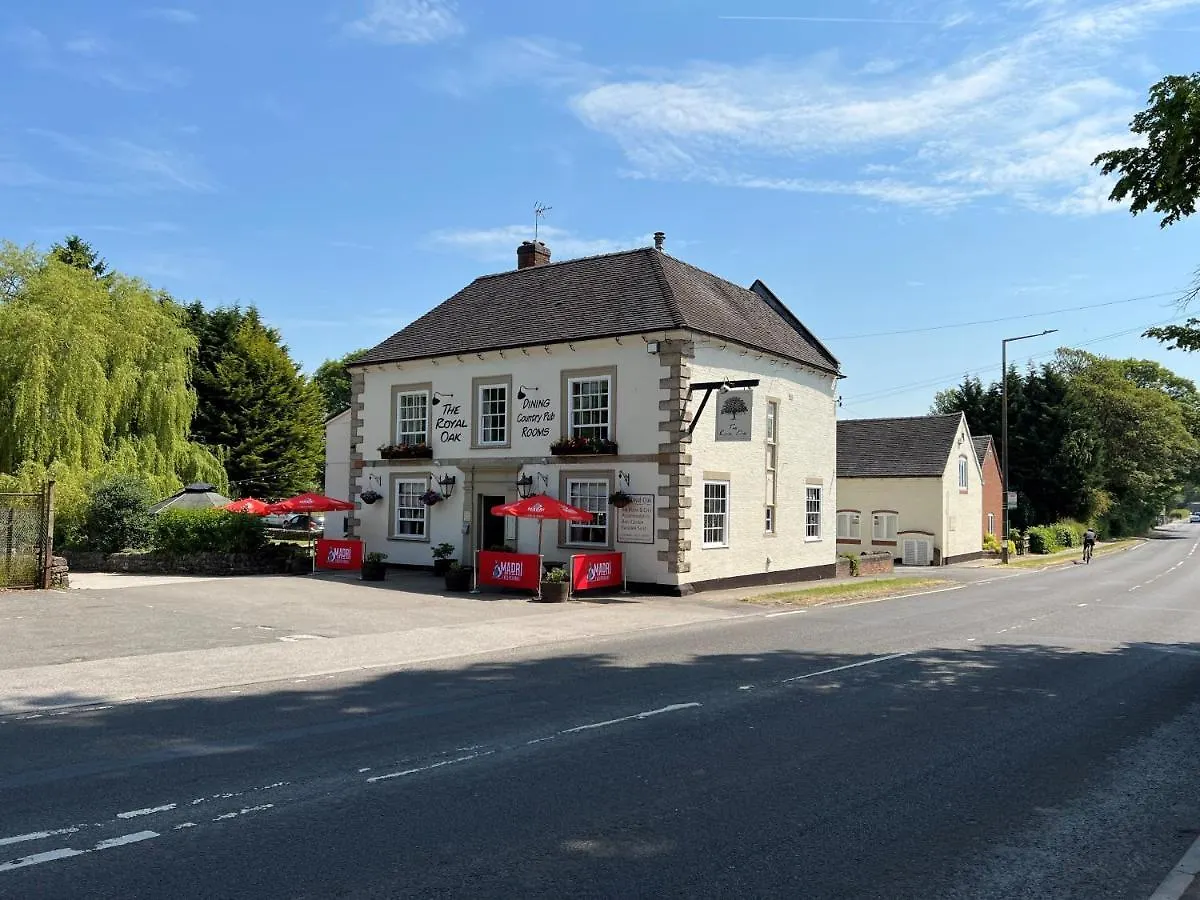
1. The Royal Oak
Show on map


 Check-infrom 14:00 until 22:00Check-outuntil 11:00
Just a few rooms left at the best rate!
from£ 78
-
2. The Coach House
Show on map


 Check-infrom 15:00 until 18:00Check-outfrom 07:00 until 10:00
Just a few rooms left at the best rate!
from£ 124
-
3. The Bulls Head
Show on map


 Check-infrom 16:00 until 22:00Check-outfrom 07:00 until 10:00
Hurry – almost gone at this price!
from£ 100
Best Premium Stays
These two properties offer the most polished facilities in the selection, with standout features - whether a dramatic rural setting with self-catering flexibility or a full city-centre hotel experience in Derby's most desirable quarter.
-
4. Rushop Hall
Show on map


 Check-infrom 15:00 until 23:30Check-outuntil 10:00
Hurry – almost gone at this price!
from£ 140
-
5. Leonardo Hotel Derby
Show on map


 Check-infrom 15:00 until 23:59Check-outuntil 11:00
Rooms filling fast – secure the best rate!
from£ 55
Smart Timing & Booking Advice for Derbyshire
Derbyshire's peak demand window runs from late May through early September, with the August bank holiday weekend representing the single hardest point to find last-minute availability across the entire county - rural inns near Castleton and Ashbourne sell out first, often weeks in advance. Late September through October is arguably the best time to visit: autumn colour across the Dales is exceptional, walking conditions are optimal, and hotel rates typically sit below peak summer levels. Spring - particularly April and May - offers a solid alternative, with wildflowers along Dovedale and fewer visitors than summer, though Easter weekend behaves like a peak period and should be booked early.
A 2-night minimum stay captures the majority of what Derbyshire offers without feeling rushed - one full day for a major attraction like Chatsworth House or Alton Towers, and one day for walking or exploring market towns. For the Peak District specifically, arriving midweek cuts parking stress significantly at sites like Mam Tor and Castleton, where weekend car parks reach capacity by mid-morning. Business travellers targeting Derby city can typically find last-minute availability on Monday to Wednesday nights, when leisure demand drops off sharply and room rates reflect it.